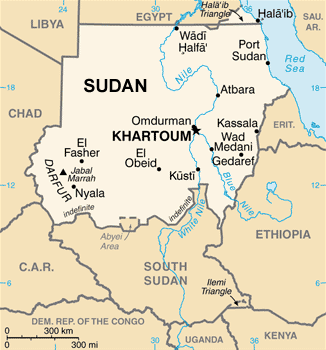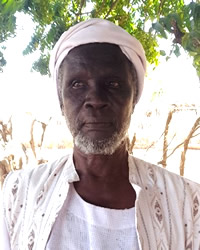

The Fanda are a Nuba people group living in the Nuba Mountains of South Kordofan State in Sudan, particularly in the Dilling area. They are part of the wider collection of Nuba communities that have inhabited the mountains for generations, maintaining distinct cultural identities despite periods of isolation and outside influence. The Fanda speak Nding as their traditional language, and many also use Sudanese Arabic for communication with neighboring groups and the broader society.
The Nuba Mountains are home to numerous ethnic groups and languages, reflecting a long history of migration, settlement, and cultural preservation. The mountainous terrain has often allowed communities such as the Fanda to maintain their traditions and local identity. Although little specific historical information is available about the Fanda themselves, they share in the broader heritage of the Nuba peoples, whose lives have long been shaped by agriculture, family ties, and village life.
The Fanda primarily depend on farming and livestock for their livelihood. Families cultivate crops such as sorghum and corn, which are important food sources throughout the year. They also raise cattle, sheep, and goats, which provide food, income, and social value within the community.
Life is closely connected to the agricultural seasons. Daily activities often include tending crops, caring for animals, preparing food, gathering water, and maintaining family homes. Fresh cow's milk is especially valued during and after the rainy season and is commonly consumed as part of the local diet.
Family and community relationships play a central role in Fanda society. Like many Nuba communities, village life is built around cooperation among relatives and neighbors. Shared work, mutual support, and respect for family connections help sustain community life in a challenging environment.
The Fanda are Muslim and follow Sunni Islamic beliefs and practices. Islam influences important aspects of community life, including worship, family customs, celebrations, and religious observances.
Because of their rural setting and long cultural history, religious practice may also be influenced by local customs that have developed over generations. There is little known Christian presence among the Fanda, and access to biblical teaching, Christian fellowship, and Scripture in their heart language is extremely limited.
The Fanda have significant spiritual needs. Many have little opportunity to hear the gospel through relationships, local churches, or Christian resources in their own language. Access to Scripture and discipleship materials remains limited.
They also face practical challenges common in remote areas of the Nuba Mountains. Access to healthcare, education, clean water, and other essential services can be difficult. Improved infrastructure and community development would help strengthen the well-being of families and villages.
The greatest need is for faithful gospel witness among the Fanda so that they may have the opportunity to hear and understand the message of Jesus Christ and grow as disciples within their own community.
Pray that the Fanda people will be adopted through the People Group Adoption program so that they receive sustained prayer, long-term ministry focus, and future gospel engagement.
Pray that God will raise up Christians who are willing to go to the Fanda, build loving relationships with them, clearly share the gospel of Jesus Christ, and let there be a movement to Christ.
Pray that the Holy Spirit will create a deep spiritual hunger among the Fanda that leads many to seek and follow Jesus Christ no matter what the cost.
Pray that the Lord will provide for their physical needs through improved access to healthcare, education, clean water, and other essential services.
Scripture Prayers for the Fanda in Sudan.
https://peoplegroups.org/people_groups/pg050422/
https://en.wikipedia.org/wiki/Nuba_peoples
https://en.wikipedia.org/wiki/Languages_of_the_Nuba_Mountains
https://nmia99.org/learn-about-nuba/
| Profile Source: Joshua Project |